
Energy systems
Solar Panel Removal and Reinstallation
Your roof gets replaced. The array comes off, gets mapped and protected, goes back on, and then gets tested before anyone calls the job finished. That last step is the one that gets skipped.
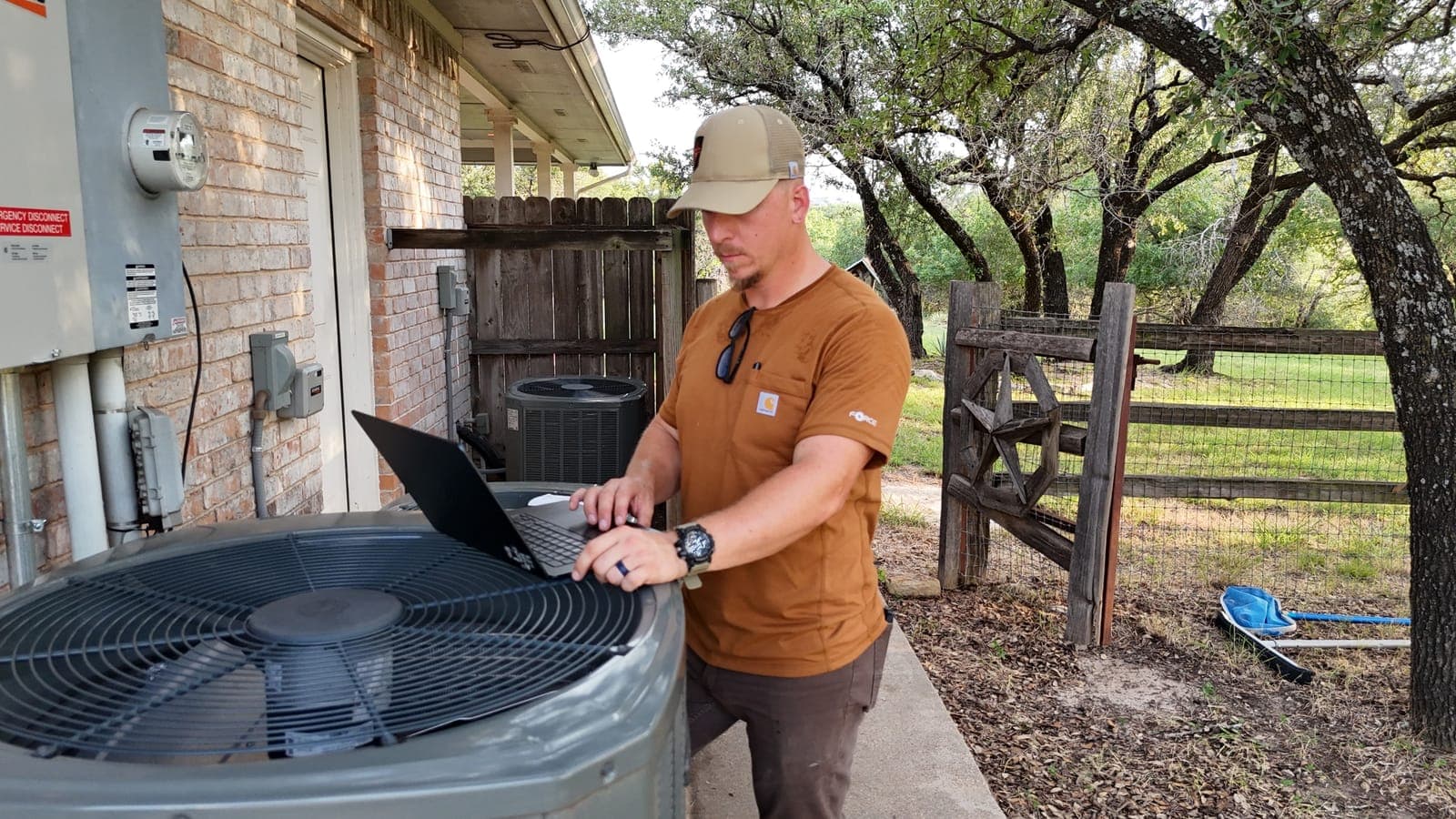
Detach and reset
Why the roofing crew cannot handle the solar
A rooftop array is not roofing material. It is a permanently installed electrical system, and the DC conductors running under those modules stay energized in daylight whether or not anybody has flipped a switch inside. Shutting one down safely follows a sequence, and putting it back involves reconnection and recommissioning that a manufacturer warranty may depend on.
Most roofing companies know this, which is why the good ones ask for a solar contractor before they quote. The ones that offer to handle it themselves are usually planning to unbolt the panels, lean them against the fence and bolt them back down through the new shingles. That approach damages modules, ruins penetration detailing and leaves you with a system nobody has verified.
Armored Power Systems is a licensed Texas electrical contractor, TECL #41587, and our founder Seth Wells worked in roofing from 2009 and in solar from 2015. That combination is the reason we understand both halves of the project: protecting a brand-new roof, and restoring a system that has to keep producing for another twenty years. More about the company here.
The process
Four stages, and the documentation that ties them together
- 01
Solar and roof assessment
We review the existing system, the roofing scope, equipment type, array size, roof access, storage requirements and the project schedule. This is also where we flag equipment likely to give trouble on the way back up.
- 02
Removal, mapping and protection
The system is shut down properly. Modules and components are removed, labeled, photographed and documented so the array can be rebuilt exactly, then staged in the protected location agreed in the scope.
- 03
Professional reinstallation
Once the roofing work is complete, racking and modules go back to the approved layout, with new flashing and attachment hardware where the original details cannot be reused. Electrical connections are remade to code.
- 04
Testing and recommissioning
We test the connections, restart the equipment, verify each module or microinverter is reporting, review system operation with you and identify anything still outstanding before we leave.
Stage four is the one that separates a real detach and reset from a cheap one. An array can be physically back on the roof and still be producing 30 percent less than it did, because one string is open or three microinverters never came back online. Without commissioning and monitoring verification, nobody notices for months, and by then the roofer is long gone.
Who we work with
Four kinds of project, four different priorities
Homeowners
Usually after hail. You have a roof claim, a roofer with a start date and an array in the way. We handle the solar side so you are not chasing an original installer who has stopped answering the phone or gone out of business.
Roofing contractors
We schedule around your crew so nobody on your payroll is handling energized solar equipment or accepting responsibility for a system they did not install. Removal before you start, reinstallation once the roof is signed off.
Commercial properties
Our team has handled large-scale commercial rooftop removals and reinstalls across Texas, including systems that had been sitting out of service for years. On these projects the sequencing and the staging plan matter as much as the electrical work.
Insurance and restoration companies
Defined scopes, written estimates, photographic documentation and system condition reports. We can tell you what we found and what it will take to put it back. We cannot tell you what a carrier will approve.
Hidden problems
What removal tends to uncover
Nobody has looked under those modules since the day they went up. On systems more than a few years old, we usually find at least one of these.
- Wire insulation degraded by years of direct sun where conductors were left resting on the roof
- Corroded or loose connectors, which is a common cause of production loss nobody ever diagnosed
- Cracked or broken mounting hardware and rail splices
- Failed microinverters or optimizers on modules that stopped reporting long ago
- Missing or improperly installed flashing at the original penetrations
- Rodent damage to rooftop wiring, which is routine on rural properties
- Discontinued equipment with no direct replacement available
We document what we find, photograph it, and explain the recommended repair before doing anything outside the agreed scope. Repairs and replacement equipment require written authorization from you first. That policy exists because the alternative, discovering additions on the final invoice, is how this trade earned its reputation.
Claims and coordination
Working alongside a roof claim
Hail season in North Texas puts a lot of arrays into insurance claims, and the solar portion is frequently an afterthought in the adjuster’s scope. Removal and reinstallation may be covered when it is necessary to complete an approved roof replacement, but coverage depends on your policy and your carrier.
What we can do is give you the paperwork that supports the conversation: a written scope, an itemized estimate, photographs of the existing system and documentation of anything found during removal. What we will not do is tell you a claim will be approved. We are not the carrier, and any contractor who promises that outcome is making it up.
Coordination is the other half. We schedule removal dates, staging and reinstallation directly with your roofing contractor so the array is not sitting in a garage for six weeks waiting on shingles. If the roof layout changes, or code requirements have moved since the array was first installed, the reinstallation may need a revised design, and we will tell you before the panels come down rather than after.
While the array is off and the roof is open, it is also the natural moment to look at anything else on the property that has been waiting: a whole-home surge protective device at the service, a standby generator you have been putting off, or storage that would let the array do something useful during the next outage.
Detach and reset questions
What homeowners and roofers ask
Can my roofer just take the panels off?
They should not, and most will not. A rooftop array is an energized electrical system with DC conductors that stay live in daylight even after the AC side is switched off. Removal involves a documented shutdown sequence, and reinstallation involves reconnecting and recommissioning equipment that carries a manufacturer warranty. Most roofing crews are not licensed or equipped for it, and their insurance usually reflects that.
What is a solar detach and reset?
It is the industry term for removing a solar array so roof work can happen, then reinstalling it afterwards. A complete detach and reset covers shutdown, mapping and labeling, removal of modules and racking, safe staging, reinstallation with new flashing and attachments where needed, electrical reconnection, and testing before the system goes back into service.
How long will my system be off?
From removal until the roof is finished and the array has been reinstalled and tested. The roofing scope usually drives the duration, not the solar work. Booking the removal before your roofer is standing in the driveway is the single best thing you can do to keep that window short.
Where do the panels go while the roof is being replaced?
Into the protected staging location agreed in the project scope, labeled and organized so every module and rail returns to a known position. If the site has no suitable space, other storage arrangements can be made, and that affects the price. It gets settled before work starts rather than on the day.
Can you reinstall a system another company installed?
Usually. It depends on the equipment, its condition, what documentation exists and what the manufacturer requires. Older systems with discontinued components are the ones to look at carefully, because a failed part may not have a like-for-like replacement. We flag that during the assessment rather than mid-project.
What if you find damage once the panels are off?
We document it, photograph it and explain what we recommend. Removal regularly exposes problems the array was hiding: deteriorated wiring, corroded connectors, broken mounting hardware, failed microinverters or optimizers, missing flashing, poor rooftop wire management. Repairs and replacement equipment require written authorization from you before any additional charges are added.
Will insurance pay for the removal and reinstallation?
It may be covered when removal is necessary to complete an approved roof claim, but that decision belongs to your carrier and your policy. We can provide estimates, invoices, photographs and a defined scope of work to support the claim. We cannot determine coverage or guarantee payment, and you should be skeptical of any contractor who says otherwise.
Related
Keep reading
- Solar InstallationNew rooftop and ground-mount systems designed around backup.
- Home Battery BackupAdding storage to an array while the electrical work is already open.
- Whole-Home Surge ProtectionProtection for inverters, microinverters and everything else.
- Standby Generator InstallationWhat most of our customers install when outages are the real concern.
- About Armored Power SystemsRoofing since 2009, solar since 2015, and why that combination matters here.
- ContactSend the project address and the roofing timeline.
Two ways to start
Which one are you?
Need a generator
We start with what has to keep running at your property — the well, the AC, the freezer, the shop — and size the system around it. You get a written proposal with the equipment, the electrical work and the site prep all in one number.
Already own one
Repair, diagnostics and scheduled maintenance for Generac, Kohler and Briggs & Stratton systems — including units another company installed. Tell us the brand and what it is doing and we will bring the right parts.